Material hypothesis
Target benefit, baseline, changed variable, expected trade-off and evidence needed.

Innovation becomes useful when fiber, construction, finishing and evidence remain connected to the garment decision they are meant to support.
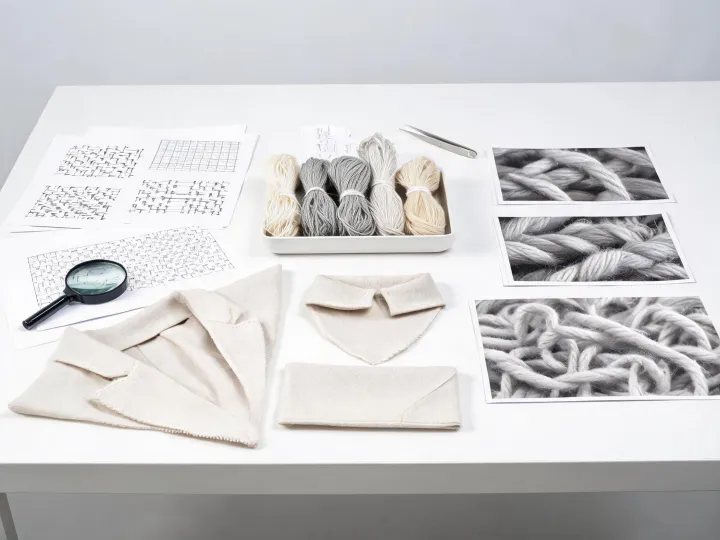
“A new material route is a hypothesis until its specimen, method, boundary and production constraints are explicit.”
Drago's working model separates the idea from the evidence. A fiber platform can create a different sourcing path, but its traceability and processing must be examined. A finish can target recovery, stain release or water repellency, but its chemistry, durability, handfeel and care behavior must be reviewed together. A lighter cloth can improve comfort while introducing opacity, stability, pressing or tailoring constraints.
This language describes a development discipline, not a claim that Drago owns a specific laboratory, mill, patent or certification. Actual facilities, supply routes and document availability are confirmed for each proposed program.
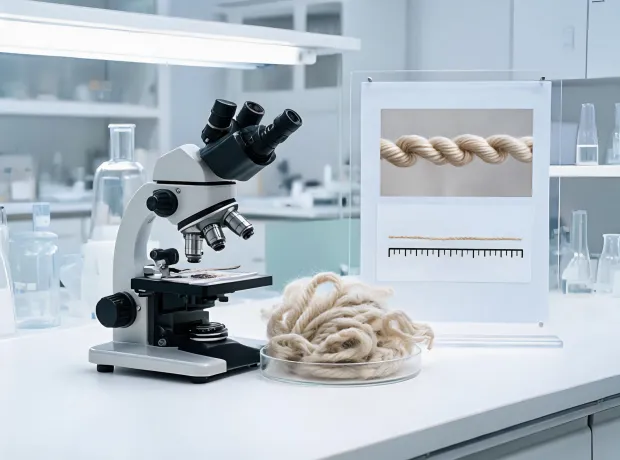

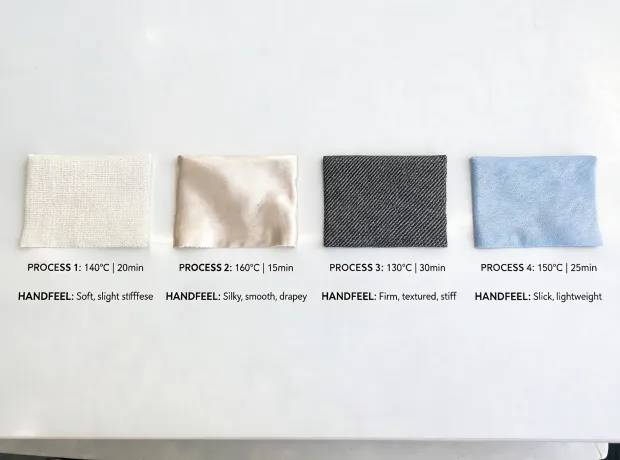
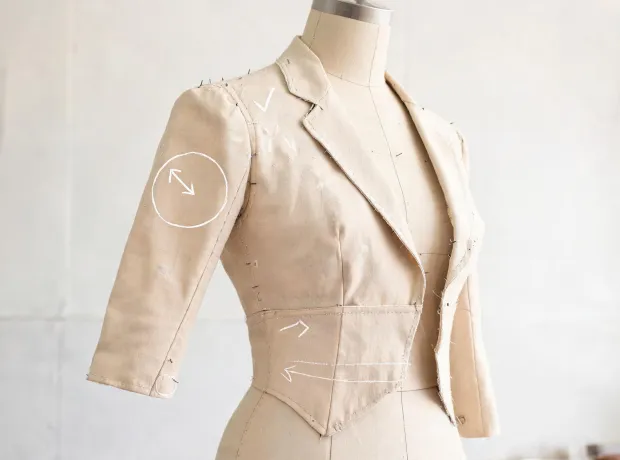
The record set follows a material from question to production handoff. It distinguishes observations from measured results, identifies the sample stage, and records why a change was accepted or rejected. When fiber source, yarn, shade, finish or process route changes, reviewers can identify which evidence remains applicable and which checks require repetition.
For external reports, the review captures the issuing body, method version, specimen identity, date and stated limitations. For compliance documents, it checks the covered entity and product scope rather than treating a scheme name as universal approval.
Target benefit, baseline, changed variable, expected trade-off and evidence needed.
Specimen identity, conditioning, method, repetitions, result and observed limitations.
Approved reference, tolerances, shade conditions, document scope and change triggers.
Bring the intended garment and the outcome that would justify a new material route.
Contact the Development Desk