Fiber route
Define wool type, blend objective, recycled or virgin input boundary, yarn count and traceability need before attaching an environmental or performance conclusion.
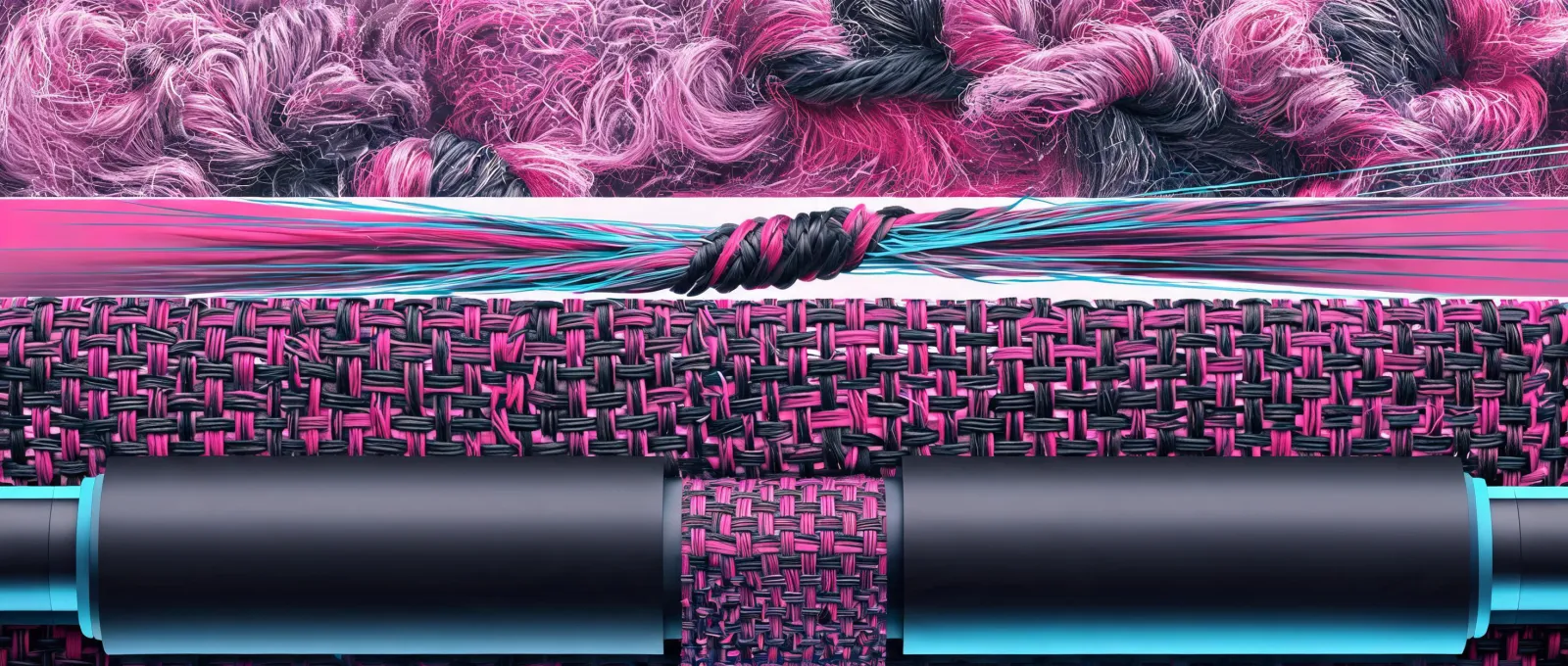
Structure an apparel fabric program around a hypothesis, a controlled sample, a relevant method and a decision that can survive the move to production.
Define wool type, blend objective, recycled or virgin input boundary, yarn count and traceability need before attaching an environmental or performance conclusion.
Translate drape, body, stretch, opacity and tailoring behavior into weave, density, GSM and usable-width candidates for sample comparison.
Record chemistry or mechanical route, application level, curing or setting conditions, target property and expected effect on handfeel, shade and care.
Name the test method, conditioning, specimen, direction, repetitions and acceptance criterion before the preferred sample is selected.
A recycled input does not by itself prove lower impact; system boundary, energy, yield, durability and chain-of-custody matter. A functional finish can improve one property while changing handle, color, breathability or care durability. A lab result for one shade and construction does not establish every production variant. The useful output is therefore a scoped decision record rather than a universal claim.
Where brand facts or lifecycle data are unavailable, the development team treats environmental or performance targets as questions to verify. No customer result, factory capacity, certificate or impact reduction is inferred from the material concept.
Production readiness also requires a commercial boundary: available yarn, dye-lot size, sample quantity, MOQ, lead time and repeat-order tolerance can determine whether a laboratory route is scalable.
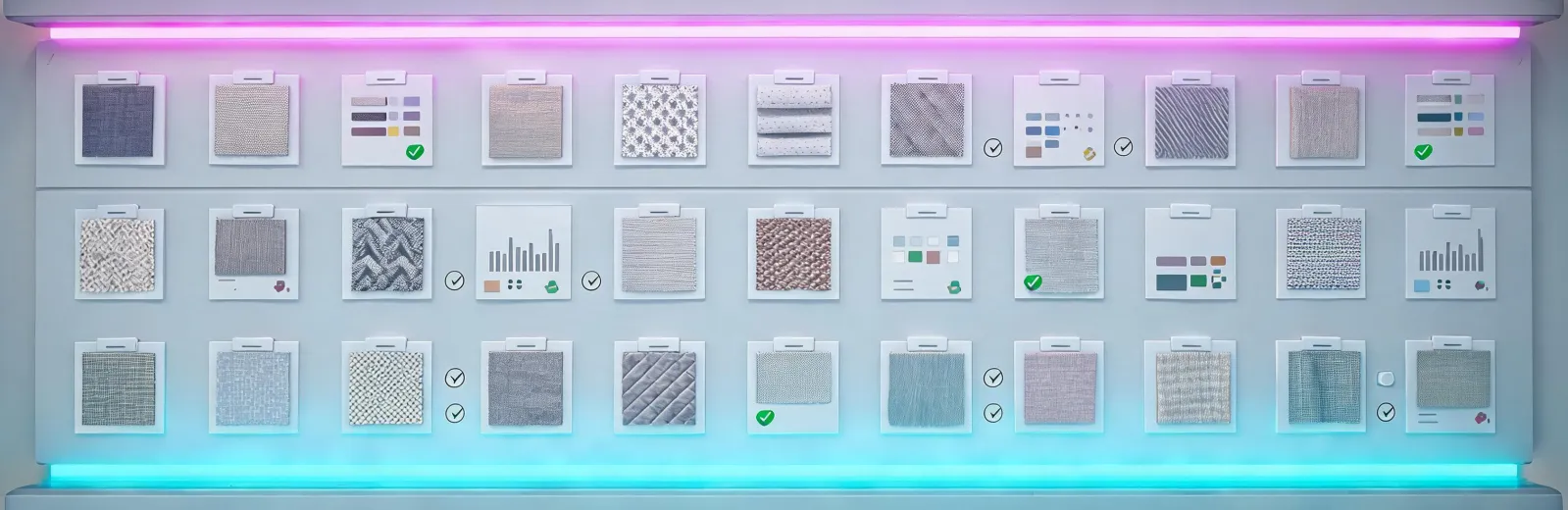
State the garment, baseline material, proposed change, success criterion and sample quantity.